
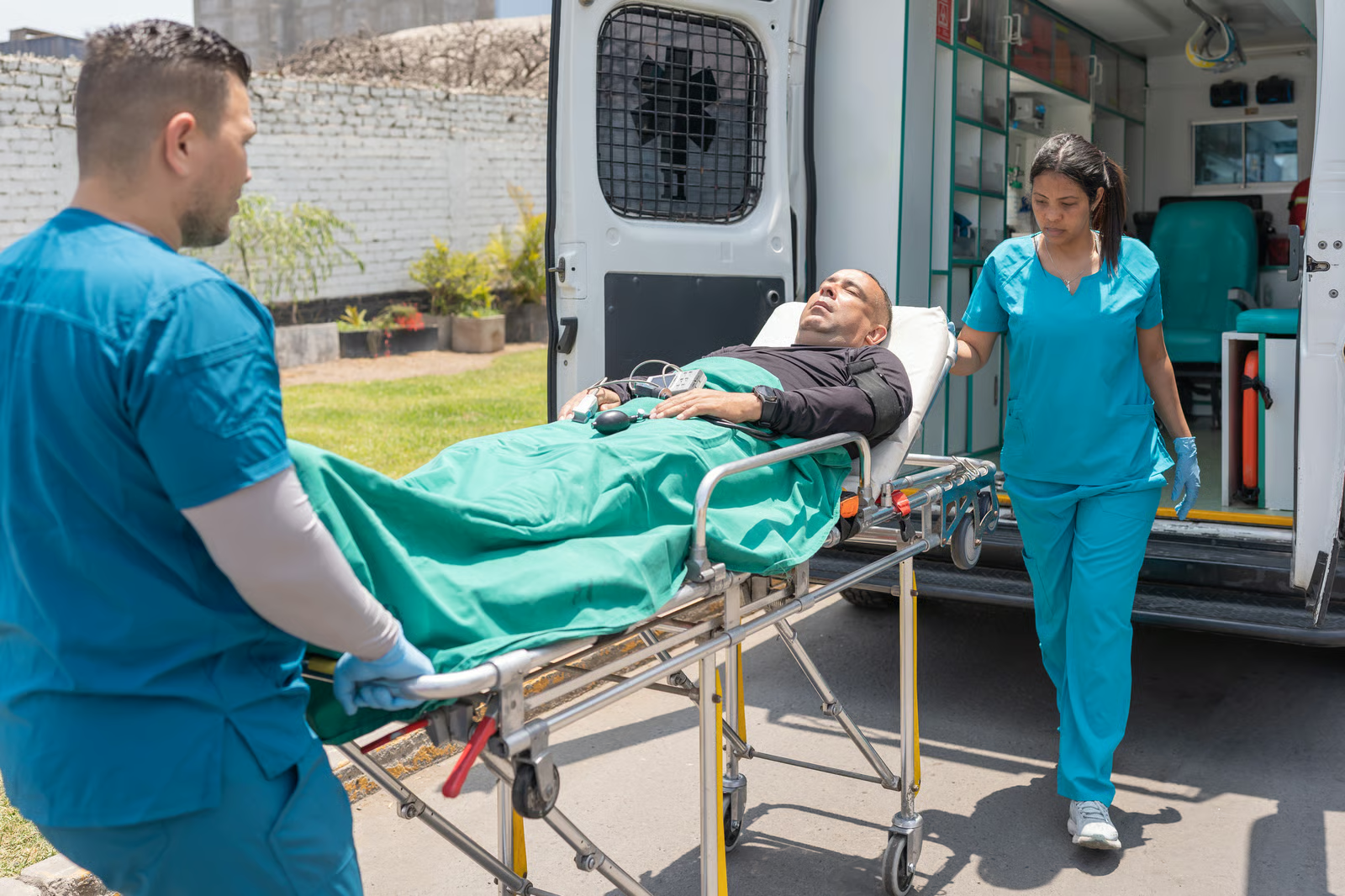
When faced with a health problem, it's common to ask:
Should I go to the emergency room or can I wait for a doctor's appointment?
Knowing how to differentiate these situations helps to receive the appropriate care at the right time.
What is a medical emergency?
A medical emergency is a condition that requires immediate attention, as it can endanger the patient's life or cause serious harm if not treated promptly.
Some examples include:
- Difficulty breathing.
- Intense or sudden chest pain.
- Loss of consciousness.
- Heavy bleeding.
- Severe trauma.
- Very high fever accompanied by other serious symptoms.
In these cases, going to the emergency room is essential.
What services are provided in an outpatient consultation?
The outpatient clinic is designed for conditions that They do not pose an immediate threat, but which require medical evaluation. For example:
- Persistent, but tolerable pain.
- Mild or moderate respiratory symptoms.
- Chronic disease controls.
- Preventive assessments.
- Treatment monitoring.
This type of consultation allows for more detailed, planned attention focused on the patient's history.
Why is it important to know how to differentiate them?
Go to the emergency room or outpatient clinic correctly:
- Reduce unnecessary waiting times.
- Ensure that critical cases receive priority attention.
- It allows for a more efficient use of medical services.
In addition, it helps the patient feel more oriented and confident when seeking care.
When in doubt, seek guidance.
If you are unsure about the severity of your symptoms, it is best to consult with medical personnel Or contact the clinic for appropriate guidance. Every case is different, and a professional evaluation is always the best course of action.
Taking care of your health also involves knowing when and where to go.
At Clínica Hospital San Fernando we have a Emergency Room Available 24/7, prepared to handle situations requiring immediate medical attention with a trained team and modern technology for a fast and effective response.
In addition, we offer primary care services that allow us to respond to general medical inquiries, provide preventive checkups, and monitor health conditions in a planned and continuous manner. Primary care is a key pillar for prevention and comprehensive care, facilitating access to basic medical services and health guidance from the first contact.
These services are designed to provide you with the appropriate care according to your health needs, both in emergency situations and in the routine and preventive care of your well-being.
